
"Indian Ocean coffee"
500 article(s) found

Which brand of Indian Malaba coffee is good? how to use Indian drip coffee? how about Indian coffee?
Professional coffee knowledge exchange more information about coffee beans Please pay attention to the coffee workshop (official Wechat account cafe_style) Coffee has become the first drink in the world only 1600 years later, so the recorded history of coffee is only 400 years similar to that of Taiwan. It is generally recognized that Africa is the home of coffee, originated in Ethiopia and spread from the port of Mocha in Yemen to all parts of the world.

Indian coffee bean season wind soaking method
The monsoon coffee we are talking about today comes from India, a magical country, and even the coffee is a bit legendary. Legend has it that a pilgrim named Baba Budan smuggled seven coffee beans through Yemen on his way back from Mecca. In order to avoid Arab inspection, he wrapped seven coffee seeds in cloth, hid them in the cracks in his ribs, and brought them to his own India.

A coffee roasted coffee bean powder grown in coffee farms in India
The coffee in India is mainly Arabica coffee, while Robbist coffee was introduced at the end of the 19th century and accounted for a certain proportion. Indian Grade A coffee beans are baptized by the monsoon and are rich, smooth and delicious, but have a peculiar spicy taste. A coffee connoisseur once commented that grade A coffee has a taste similar to that of Indonesian aged beans, which may have something to do with their handling.

Introduction to the flavor characteristics and flavor description of Brazilian yellow bourbon coffee with weak and clean bitterness
Brazil's national treasure coffee beans: Brazil yellow bourbon coffee raw bean source: Brazil yellow bourbon unique yellow cherry fruit product characteristics unique yellow cherry fruit, with fully cooked baking technology, showing a hint of lemon fragrance, soft acidity and bourbon species unique round and thick sweetness, is a cheap and high quality bourbon species, native to the Indian Ocean island of bourbon (now known as Reunion), is iron
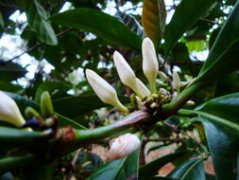
Boutique coffee knowledge what are the characteristics of Kenyan coffee
The characteristics of Kenyan Coffee: Kenyan Coffee has multi-layered taste and acidity of juice, perfect grapefruit and wine flavor, moderate mellow. Processing: washing method. Location: Kenya is located on the equator on the Indian Ocean coast of east-central Africa, south of Ethiopia. Similar to coffee: Kenya Coffee is most similar to Isabia Stammer Coffee. Except for the summer pavilion ensemble.

Coffee produced in Indonesia generally does not have the name "Indonesia", but directly bears the name of the island, such as Java.
Among the Asian coffee-producing countries, Indonesia is a very noteworthy one. Indonesia is an island country in the Indian Ocean, the islands are distributed on both sides of the equatorial line, of which three islands: Java, Sumatra and Sulawesi produce the world's important coffee. In the mid-17th century, the Dutch brought coffee trees to Ceylon (Sri Lanka) and Java, Indonesia. India in the 18th century

A brief introduction to Fine Coffee beans-- Kenya AA Fine Coffee Kenny Coffee has a unique taste
The characteristics of Kenyan Coffee: Kenyan Coffee has multi-layered taste and acidity of juice, perfect grapefruit and wine flavor, moderate mellow. Processing: washing method. Location: Kenya is located on the equator on the Indian Ocean coast of east-central Africa, south of Ethiopia. Similar to coffee: Kenya Coffee is most similar to Isabia Stammer Coffee. Except for the summer pavilion ensemble.

An introduction to the geography and climate of coffee-producing areas in Kenya
Kenya's climatic and geographical conditions provide unique conditions for the growth of high-quality coffee beans, which are located in eastern Africa, the equator runs through the middle, and the East African Rift Valley runs through the north and south. It is bordered by Somalia to the east, Tanzania to the south, Uganda to the west, Ethiopia and Sudan to the north, and the Indian Ocean to the southeast. The coastline is 536 km long. There are many plateaus in the territory, with an average elevation of 1500 meters.

A brief introduction to Fine Coffee-- the Flavor characteristics of Java Coffee
Among the Asian coffee-producing countries, Indonesia is a very noteworthy one. Indonesia is an island country in the Indian Ocean, the islands are distributed on both sides of the equatorial line, of which three islands: Java, Sumatra and Sulawesi produce the world's important coffee. In the mid-17th century, the Dutch brought coffee trees to Ceylon (Sri Lanka) and Java, Indonesia. Indonesia in the 18th century

Kenya's climatic and geographical conditions introduce boutique coffee
Kenya's climatic and geographical conditions provide unique conditions for the growth of high-quality coffee beans, which are located in eastern Africa, the equator runs through the middle, and the East African Rift Valley runs through the north and south. It is bordered by Somalia to the east, Tanzania to the south, Uganda to the west, Ethiopia and Sudan to the north, and the Indian Ocean to the southeast. The coastline is 536 km long. There are many plateaus in the territory, with an average elevation of 1500 meters.
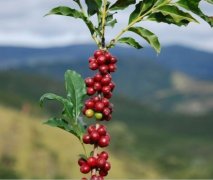
Characteristics of boutique coffee beans Kenya coffee Kenyan coffee
The characteristics of Kenyan Coffee: Kenyan Coffee has multi-layered taste and acidity of juice, perfect grapefruit and wine flavor, moderate mellow. Processing: washing method. Location: Kenya is located on the equator on the Indian Ocean coast of east-central Africa, south of Ethiopia. Similar to coffee: Kenya Coffee is most similar to Isabia Stammer Coffee. Except for the summer pavilion ensemble.

Indonesian coffee producing area Indonesian Arabica coffee beans cultivation characteristics and historical development story
Indonesian coffee, grown in ash, pepper and spices, is revered for its distinctive, unmistakable flavor, velvety texture and earthy hues. Secret? Position, position, position. Located between the Pacific Ocean and the Indian Ocean, the Republic of Indonesia consists of more than 16,000 mountainous volcanic islands, including Arabica, Java, Sumatra and Sura.

What does climate change mean for the future of coffee? the hope of coffee F1 hybrid cars
Stamaya. Central America. H1 . These are the names that those who take coffee seriously should know, because mixed varieties may be the coffee of the future. Although there are a large number of special coffee beans today-the familiar coffee includes Allah from Ethiopia, Colombia, Guatemala and other places.
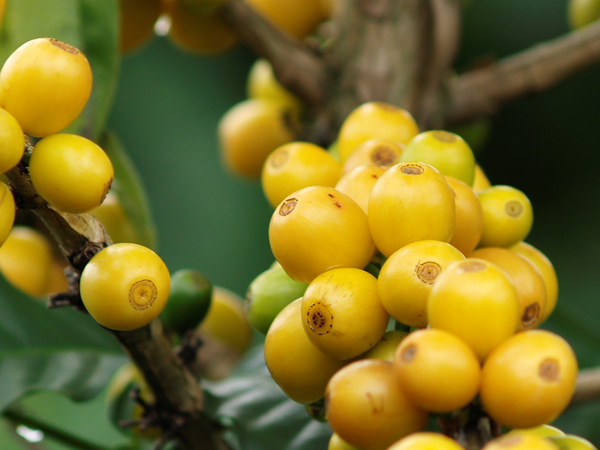
Special treatment method of Diamond Manor of Huilan Plateau in Huilan Plateau producing area of Yellow bourbon Coffee in Colombia
Colombia's boutique bean producing areas are mainly in the south, more than 1500 meters above sea level, including San Augustin, Huila in Huilan province, Popayan, Cauca in Cauca province, Nari ñ o province, and Tolima province, all of which have delicate sour and raspberry aromas, caramel aromas and full sweetness. Bourbon species native to the Indian Ocean
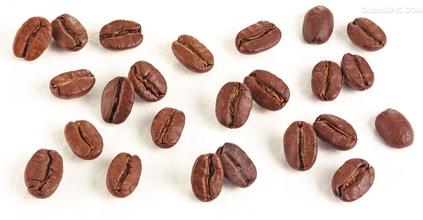
Introduction to the taste of coffee producing areas in Indonesia
Java coffee is produced on the Indonesian island of Java and belongs to Arabica coffee. After baking, the bitter taste is extremely strong and the aroma is very light, without sour taste. The bitterness and mellowness of Java coffee, coupled with the sweetness of chocolate syrup, make Java coffee more mellow and palatable and very popular with women! Among the Asian coffee-producing countries, Indonesia is a very noteworthy one. Indonesia is an island country in the Indian Ocean.

Classification of Yejashefi Coffee Bean characteristics of coffee beans in Yega Sheffei producing area
Yega Xuefei was originally a medium-sized town for the distribution and transportation of coffee beans in Ethiopia's Sidamo province. Because the elevation is higher than other coffee producing areas in Sidamo province (belonging to ancient volcanic soil), it is located in the south of Ethiopia, affected by the southeast monsoon of the Indian Ocean, in this dry and wet season, mineral-rich eolian environment, it is almost tailor-made by Arabica coffee beans.

Introduction of boutique coffee beans details of the latest flavor of Java coffee
Among the Asian coffee-producing countries, Indonesia is a very noteworthy one. Indonesia is an island country in the Indian Ocean, the islands are distributed on both sides of the equatorial line, of which three islands: Java, Sumatra and Sulawesi produce the world's important coffee. In the mid-17th century, the Dutch brought coffee trees to Ceylon (Sri Lanka) and Java, Indonesia. India in the 18th century

The characteristics of Kenyan coffee the characteristics of Kenyan boutique coffee beans
The characteristics of Kenyan Coffee: Kenyan Coffee has multi-layered taste and acidity of juice, perfect grapefruit and wine flavor, moderate mellow. Processing: washing method. Location: Kenya is located on the equator on the Indian Ocean coast of east-central Africa, south of Ethiopia. Similar to coffee: Kenya Coffee is most similar to Isabia Stammer Coffee. Except for the summer pavilion ensemble.
Introduction to Java quality Coffee in Indonesia the taste characteristics of Java boutique coffee
Among the Asian coffee-producing countries, Indonesia is a very noteworthy one. Indonesia is an island country in the Indian Ocean, the islands are distributed on both sides of the equatorial line, of which three islands: Java, Sumatra and Sulawesi produce the world's important coffee. In the mid-17th century, the Dutch brought coffee trees to Ceylon (Sri Lanka) and Java, Indonesia. Indonesia in the 18th century

The Common sense Coffee basis of Grade A Coffee beans in India
India is the first country in Asia to grow coffee, and India's A-grade coffee beans have always been a kind of coffee strongly concerned by coffee lovers all over the world. Its flavor and taste features: uniform particles, rich taste, slippery and delicious. The cultivation of Indian coffee originated from their colonists, the British. As early as the 17th and early 18th centuries, the English were not as addicted to tea as they are now.